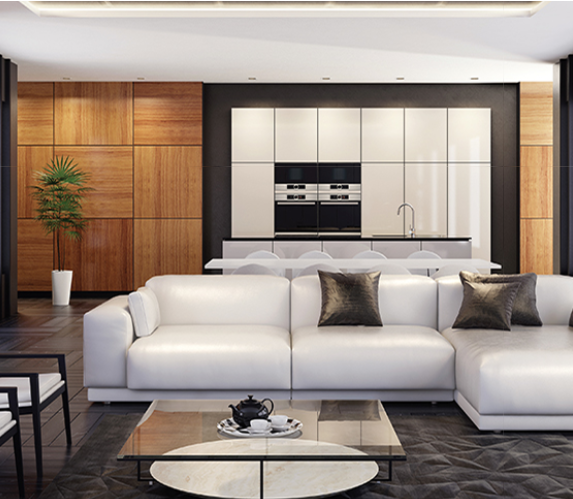
Linear lighting has firmly established itself as an essential element in contemporary interior design. Its ability to define structures, highlight textures, and cleanly transform spaces makes it a favorite among design professionals. However, there is a significant gap between digital concepts and job site results: linear lighting looks simple until you actually have to build it.
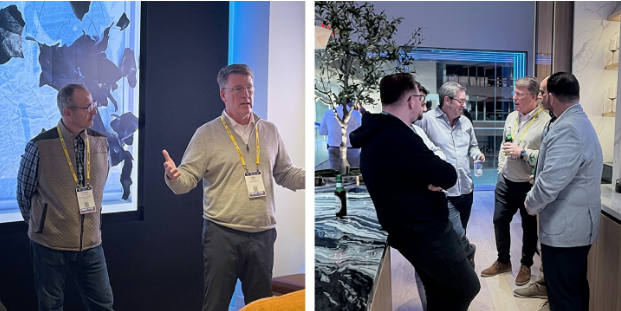
In May 2026, Maxicon USA hosted the first edition of the Linear Lighting Experience, a hands-on initiative created to solve the real-world challenges designers and specifiers face when integrating linear technology. Held at ShowKase by LK and Associates within the renowned Design Center of the Americas (DCOTA) in Dania, Florida, the event brought industry professionals together with support from the American Society of Interior Designers (ASID Florida South).
Why Renders Fail in Practice
A central theme of the session was the disconnect between rendering software and real-world environments. In a digital rendering, light lines look completely seamless and flawless. Yet, when translating those layouts into physical spaces, common issues quickly surface:
- Hot spots and unexpected shadows: Uneven light distribution caused by improper diffuser selection or mounting distances.
- Complex construction details: Structural complications when integrating channels into drywall, ceilings, or custom millwork.
- System incompatibilities: A lack of early planning regarding power supply placement and control system integration.
As emphasized throughout the session, great results don’t come only from buying great products, but from understanding how to apply them in real environments.
A Hands-on, Solution-Oriented Format
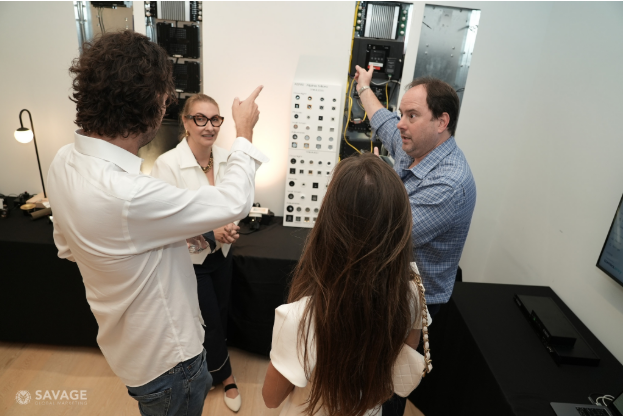
Moving away from traditional lectures or generic sales presentations, the Linear Lighting Experience focused entirely on a hands-on, practical approach. Attendees worked in small groups inside a fully working showroom environment.
Key Highlights of the Experience:
- Walkthrough of actual lighting scenarios: In-depth technical inspection of integrated linear lighting applications across kitchens, living rooms, and key architectural zones.
- Practical education on common mistakes: A detailed breakdown of frequent errors in specification, wiring, and profile installation—learning how to prevent them during the blueprint phase.
- Hands-on project conversations: Dedicated time for designers to bring up active project challenges and receive targeted, expert feedback.
This interactive dynamic gave participants actionable insights they could apply immediately, closing the gap between creative concept and lighting engineering.
Mastering Linear Design from Day One
One of the key takeaways shared by the Maxicon USA team is that linear lighting must be planned from the very start of a project. Treating lighting as an afterthought or mere decorative element—rather than a core architectural component—is the root cause of most job site headaches.
To achieve flawless execution, early coordination between interior designers, architects, and technology integrators is essential. Understanding precise channel dimensions, thermal requirements, and color temperature specs ensures that the initial design vision translates cleanly into the final build.
Maxicon USA’s Commitment to the Design Community
The success of the Linear Lighting Experience reinforces Maxicon USA’s commitment to providing far more than just cutting-edge technology. As specialized integrators for high-end residential and commercial systems, Maxicon’s mission centers on empowering the design community with practical tools that add real value to every project.
If you missed this edition or want expert guidance to optimize linear lighting on your upcoming projects, reach out to the Maxicon USA team to learn how to take your conceptual designs into flawless execution.